Our customers save on average £549 with our free removal service. View T&Cs
Posted on Thursday, 22nd October 2026 | Posted in prepare garden for winter , prepare a garden for winter , winter garden prep , how to prepare garden for winter , preparing your garden for winter , garden prep in winter , garden ready for winter , winter garden checklist
Preparing your garden for winter helps protect your plants, soil and landscaping from harsh weather and frost damage, as well as making sure your garden furniture, tools and toys are kept in top condition. Putting in a few hours of work in autumn means you'll have less to do in spring, and more time to enjoy the longer days and warmer weather.
Our garden prep tips cover everything you need to keep your outside space in top condition. If you need some extra space to store seasonal items and garden furniture over winter, our short-term storage units will keep your belongings safe in secure, temperature-monitored facilities.
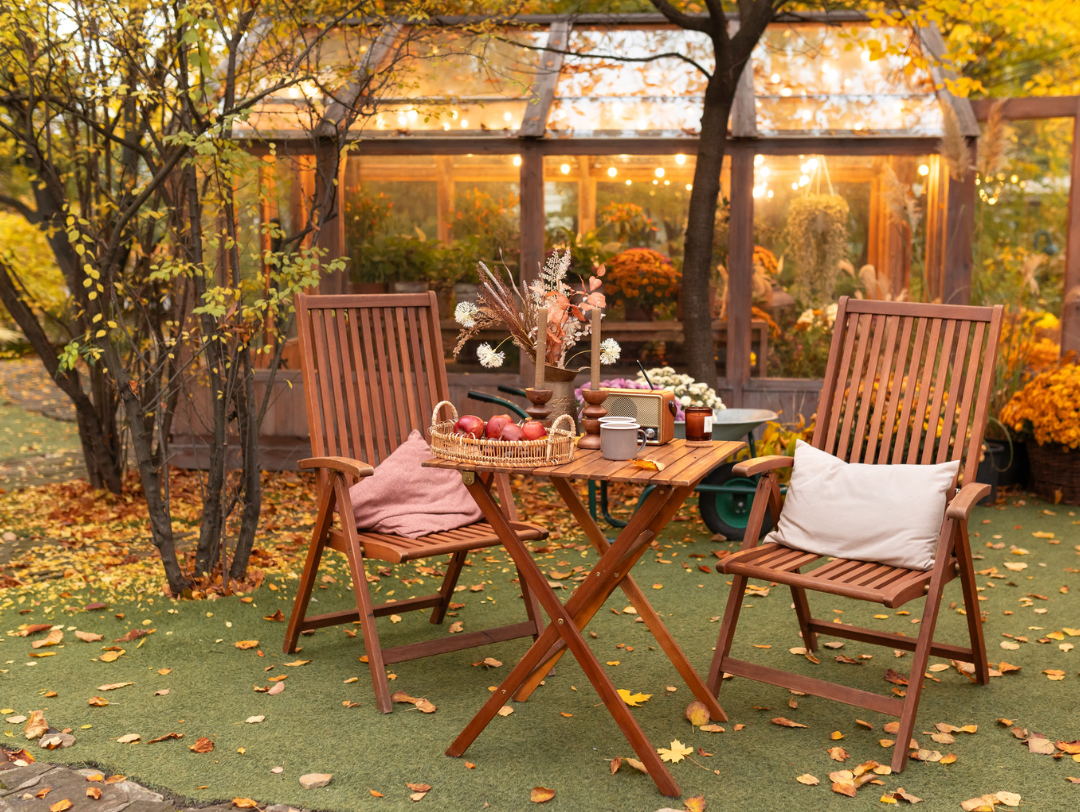
Depending on the size of your garden and the type of space you have, you might not need to tick off everything on this list. Prioritise taking care of the areas you use the most, and prep your soil to make sure it's usable in time for planting season.
· 1. Give yourself a clear space to work from by weeding
· 2. Clear away leaves and debris
· 3. Clean your patio or paving slabs
· 4. Wash and seal your decking
· 5. Make sure your garden is wildlife-friendly
· 6. Take your garden furniture indoors
· 7. Drain hosepipes and irrigation systems
· 8. Deep clean and store gardening tools
· 9. Insulate compost bins and turn your compost
· 12. Save any seeds, bulbs or tubers
· 13. Shelter your potted plants
· 14. Stock up on horticultural fleece
Weeding should be one of the very first jobs you start with. Clearing your flowerbeds, potted plants and paving stones of any unwanted weeds gives the soil room to breathe and makes it easier to see what you're working with. Weeds can quickly run wild and cover fences and trellises, so removing them helps you easily see if anything needs repairing before spring.
Pull up weeds by their roots to prevent them dropping new seeds. You might need a trowel or weeding knife to make sure the roots are cleanly removed.
Sweep up fallen leaves and debris from your patio or use a leaf blower to clear your lawn. Trees will continue to drop their leaves, so this is a job you'll probably need to do a few times over the winter.
Leaves falling onto garden beds or your hedges can be left alone. They'll decompose over time, feeding nutrients to your soil and providing a safe winter habitat for wildlife.
Once you've got a debris-free space to work with, it's time to inspect and clean your patio. This might seem counter-productive, but clearing away any moss, algae or trapped dirt helps prevent cracks in your slabs, and means you're less likely to slip in wet weather.
Scrub wooden decking with a stiff brush and soapy water or use a pressure washer to remove dirt. Be careful if you're using a pressure washer and stick to a low setting to prevent splintering, cracking or warping.
Leave the wood boards to dry completely and then apply a sealant. This will protect your decking against moisture in the winter.
Many insects, birds and small animals use fallen branches and leaves as a safe habitat in winter, so where possible, it's best not to trim your foliage. Keep birdbaths topped up with clean, fresh water, use a tennis ball or floating de-icer to stop your pond from freezing over, and leave seedheads in place for as long as you can to let insects feed on leftover seeds.
Although most outdoor furniture is designed to be waterproof, storing your pieces in a dry, secure space will prolong their life. Remove any cushions or fabric, wipe away any dirt or debris and make sure they're fully dry before storing to prevent mould build up. Brush down your furniture and fold down any flatpack furniture to save space in your garage, shed or storage unit.
When water freezes, it expands – so it's important to drain your hosepipe and any irrigation systems you have. This will prevent them from cracking and leaking over winter.
If you can isolate your water supply, you could also consider turning off your garden tap and irrigation system. You won't need to use them over the next few months, so shutting off the supply stops any unnoticed leaks from building up.
Another crucial piece of kit you'll want to store away over winter is your gardening tools. Rain, frost and snow can lead to rust, so it's best to keep your gardening tools indoors over the winter months.
Before you pack everything away, give everything a good clean, making sure to remove any soil or plant debris from spades, trowels, secateurs and lawn mower blades. These can trap moisture directly against the metal, causing your tools to corrode more quickly.
Outdoor compost can be left dormant without risk of damage. It simply slows down or pauses until the weather warms up again. However, if you want the compost to stay active, you could wrap your compost bin in bubble wrap or thick foam to seal the heat in.
If you've got lots of well-rotted compost that's ready to use, now's the time to turn it, too. Sieve out any small rocks or stones, and store the turned compost in heavy-duty bin bags or plastic sacks to protect it until spring.
Getting your lawn ready for the cold season calls for one last mow, before active grass growth slows down over winter. Once you've mown your lawn, use a garden fork to aerate the soil. This helps the soil drain, allowing nutrients to reach further.
Soil can suffer in winter, with heavy rain causing waterlogging and nutrient loss. Clear away any dead or unhealthy plants, and thoroughly weed your flowerbeds before mulching for the best results.
Mulch can be made up of compost, bark, fallen leaves or grass clippings. This adds a thin layer of protection to your beds, stopping more weeds from growing and allowing rain to reach the soil without waterlogging.
Once your plants have finished for the summer season, you can harvest seeds to use in next year's planting – and save on the cost of new seeds next spring. It's also worth digging up summer-flowering bulbs that can't survive winter temperatures, like dahlias and begonias.
Store your seeds and bulbs in a cool, dry, dark place – your cellar or garage is perfect. Once spring rolls around, you can replant them to enjoy next year.
Some potted plants need to be brought inside your house, shed or greenhouse over winter. If you don't have any space indoors, it's best to move them out of the way of the elements to keep each one sheltered.
· Choose a spot against a wall or fence that offers more shelter from the wind
· Group pots together so your plants can share warmth
· Add feet to the bottom of your pots to stop your plants becoming waterlogged
· If it’s particularly cold, insulate your pots to prevent them cracking
Ground plants and raised beds are at more risk of damage over winter, because they can't be moved during severe weather. Horticultural fleece acts like a jacket, giving plants a layer of extra warmth.
Looking for more gardening tips? We've got advice on everything from getting your garden ready for spring to starting out as a beginner. Make the most of your home with Space Station.
The best time to get started depends on the weather, but you should try and get most jobs done before the temperature drops in late October. Overnight frosts can have a big impact on your plants and soil, so making sure they're protected before the weather turns will give your plants the best chance of surviving over winter.
Airtight plastic can trap moisture inside your raised beds, so it's best to avoid. Your soil needs to breathe; experts recommend horticultural fleece to keep the heat in, without the risk of rot.