Our customers save on average £549 with our free removal service. View T&Cs
Posted on Thursday, 22nd October 2026 | Posted in garage clean , garage clear out , decluttering the garage , clear out garage , best way to clean out a cluttered garage , best way to clear out your garage
Over time, it's easy for our garages to become a catch-all space for everything from extra Christmas decorations to gardening tools. Things can accumulate quickly, and before you know it, it's time for another clear out.
Keeping your garage clean and tidy gives you a whole new storage space to make the most of. With the right layout, shelving systems and regular tidying sessions, your belongings can stay safe and sound all year long.
If you're struggling for floor space, our humidity-controlled long term storage units will keep your belongings in top condition until you need them next.
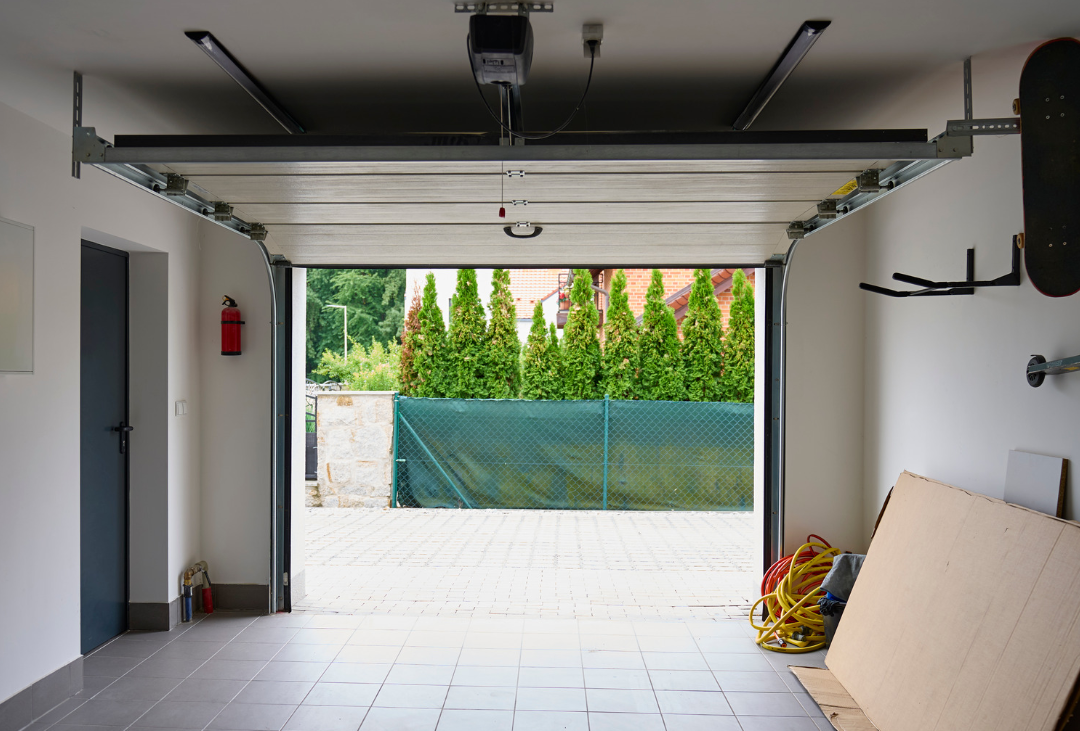
To make your garage clear out a smooth and stress-free process, it's best to choose a sunny weekend. You'll be moving your belongings in and out, and a dry outside space will help you organise and clean without the worry of everything getting wet.
You'll need a few supplies to get started;
· Bin bags – the bigger, the better
· An outside vacuum or dustpan and brush
· Waterproof storage boxes
· Labels and a pen
2. Set up a dedicated sorting area
3. Establish the ground rules on what stays, and what goes
4. Donate anything you don’t use
5. Find a new home for larger items
6. Give your garage a deep clean
9. Make the most of vertical space
If clearing out your garage seems like an overwhelming task, it can help start high and work your way down. The top-to-bottom approach is ideal if you're working in sections and cleaning as you go.
If you're tackling a garage with bits and pieces that have built up over the years, you might also find that high shelves are filled with unused or forgotten items. It will be easier to decide whether to throw or keep these items, giving you more space to make the most of down the line.
As you start to clear your garage, set up a designated area to sort through your belongings, ideally right outside. This will help stop your garage from descending into chaos during the decluttering process. Organising your belongings into items to keep, items to sell, items to donate and items to throw away as you go makes the decluttering process much easier.
It's not always easy to part with old belongings, but if you're trying to make more space, things you don't use most likely need to go. If you're torn, it's a good idea to think about whether you've used the item in the last year. If you haven't reached for it even as the seasons have changed, it's probably time to let it go.
Once you've decided what you can part with, there's lots of ways to give unused belongings a second home. Seller apps like Vinted and Depop are a great way to make some money from little-worn clothes, while books, toys and garden equipment can often be donated to charity shops.
If you have larger items taking up space, seasonal storage is a great way to keep your belongings safe, without getting rid of them altogether. Using a short-term storage unit for things like bikes, camping equipment or garden furniture gives you much more floorspace to make the most of, all while knowing that your belongings are ready and waiting for next summer.
Once everything's out of your space, you've got a great opportunity to give your garage a thorough clean. Sweep away any dirt or debris and wash the floor with a stiff brush and warm, soapy water.
You'll also want to wash the walls down – just be sure to get rid of any lingering cobwebs first. You can use your broom for this too, or a vacuum cleaner with a hose attachment to make sure you're getting into every corner.
Garages are often prone to leaks and weather exposure, so it's important to check the walls thoroughly once you've cleaned them. Patch any leaks to stop your belongings getting water-damaged over time.
If you've noticed a buildup of mould and mildew on the walls and corners of your garage, there could be a damp issue. Once you've found and fixed the source, windows, vents or dehumidifiers can help air flow through the building and stop future damp from accumulating.
Before you begin moving everything back into your fresh, clean garage, think about the layout of your space. Think about bits and pieces you use regularly, like gardening tools or sports gear, and make sure they're easily accessible. Seasonal decorations or leftover paint tins can be stored on high shelves or the back of your garage, as you won't need to reach for them as often.
If you do have the space, creating a clear walkway all the way around your garage will make your life much easier in the future. Leaving room for turning around and moving boxes in and out makes nipping in and out of your garage a much quicker job.
Vertical space is one of the best ways you can make your garage. If you can, adding wall-mounted shelving and wall hooks helps you keep your bits and bobs in plain sight, as well as clearing your floorspace. Multi-level shelving units are also a great way to keep smaller items safe.
Transparent, stackable storage bins are perfect for storing a wide range of items, and they make finding what you're looking for much easier.
Plastic storage bins are also great at warding off the cold and damp. While it's best to store precious belongings in temperature-controlled spaces, plastic bins are a good option for tools, winter clothes or seasonal shoes that won't fit in your home.
Keeping items together helps establish purposeful zones for specific belongings. You could delegate areas for tools, sports equipment and seasonal items that can be kept tucked away in a corner for most of the year. Once you know where everything roughly is, you'll find it much more simple to pull out the object you're looking for.
Seasonality matters, so create a storage system that allows you to rotate your items cyclically, as and when you need them. This is where your stackable boxes come in handy. In the summer months, move boxes containing outdoor toys and games to the front of your shelves, and winter blankets and hiking gear to the back. As the seasons change, you'll just need to swap your boxes around.
Last but not least, labelling is your best friend when it comes to keeping your newly-organised garage tidy. Everything from last year's seeds to leftover paint tins can be labelled – and adding dates to your labels helps you use what you have, before your belongings spend years hidden away behind boxes.
Getting into the habit of tidying as you go means you can avoid too much clutter, even as you accumulate more belongings. To make your garage feel bigger still, browse our tips on increasing floorspace.
This depends on the type of flooring you have in your garage. Concrete can be gently pressure-washed to remove stubborn dirt and grime, but if your concrete is unsealed, it's best to use warm, soapy water and a soft brush to be on the safe side.
The best way to keep things clean and clutter-free is to tidy as you go. Putting your belongings back in their rightful places makes decluttering less of a chore, and saves you from wading through boxes every time you need something. Wipe down surfaces and sweep the floor every 3 or 4 months, and deep clean once a year to avoid any leaks or damp spots going unnoticed.