Our customers save on average £549 with our free removal service. View T&Cs
Posted on Monday, 13th April 2026
Spring is the best time to get outside and get growing. So, whether you’re prepping your garden for the warmer weather or starting from scratch, these tips will help your garden flourish.
Clearing out a shed to make some room for your gardening bits and bobs? Take a look at our short-term and long-term storage options to free up some space.
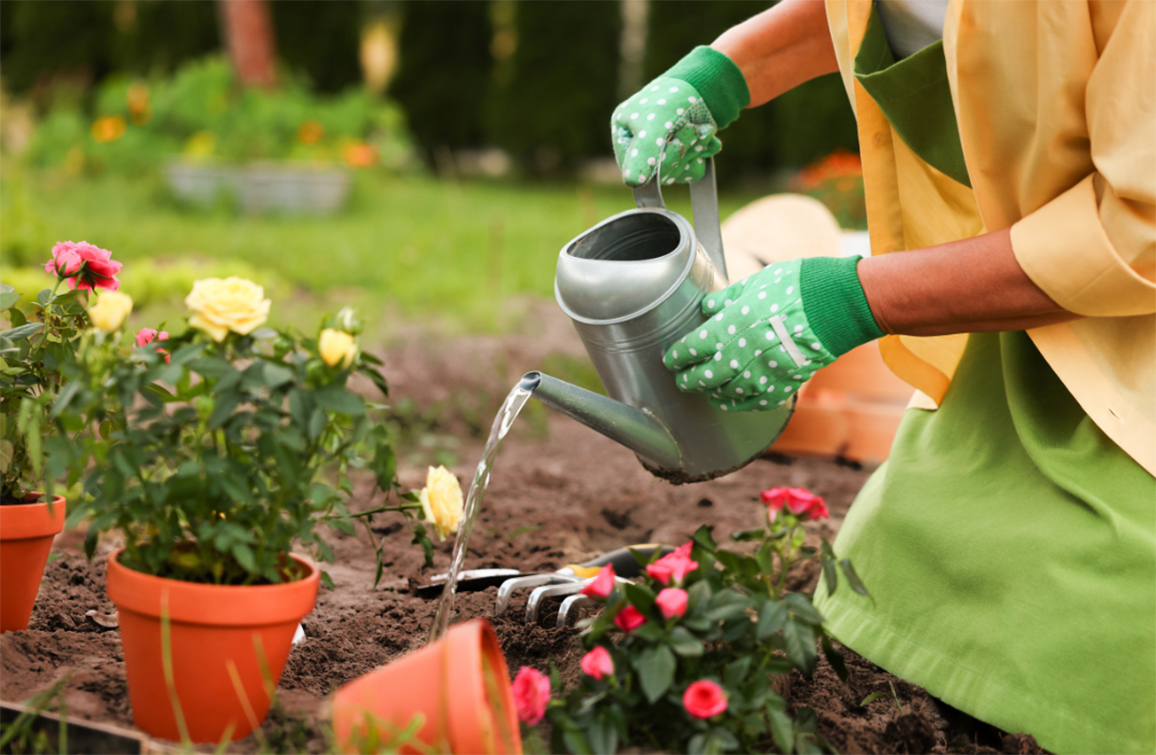
There’s nothing better for the soul than pottering around your garden in the sunshine; so, make a start with our top spring gardening tips and get your garden in great shape for summer.
Good soil is the foundation of a good garden, and after winter, it can get a little solid and tired. So, lightly dig it over with a garden fork to let some air and water back in. You can also add a layer of compost or mulch on top to boost the nutrients and get it ready for planting.
Before anything new can grow, the old stuff needs to go. Remove dead leaves, stems and twigs that have built up in your beds and pots over winter to make sure you won’t get any nasty pests or diseases.
Weeds might have run riot in your garden over winter, so it’s always best to get on top of them early before the warm weather encourages them to grow more. Remove as much as you can by hand or with a hoe before resorting to using chemical weed killer.
Twiddling your green thumbs waiting for the frost to clear up? Make a head start with some seeds indoors; tomatoes, peppers, violas and geraniums can all be started on a warm windowsill or greenhouse before going outside later.
March and April are great months for getting spring bulbs and hardy plants like carrots and marigolds in the ground as soon as the soil is warm enough. They’re low maintenance and well worth the reward when they emerge later.
Give your lawn a rake to get rid of any dead grass and leaves and aerate the soil to encourage growth and drainage. Once it’s a bit warmer, you can then start moving the lawn at monthly or fortnightly intervals. If you’re trying to encourage more biodiversity in your garden, now would be the perfect time to let your lawn overgrow a little to persuade more bees and other pollinators.
If your shrubs and climbers are looking a bit unruly after winter, now’s the time to tidy them up. Cutting them back to just before the healthy buds will encourage new growth.
As you’re clearing up all the debris and weeds, put as much of it as you can into a compost bin or compost pile. Whether you’ve been working on it over winter or are just starting it in spring, make sure to regularly turn it over with a garden fork to help it breathe.
Birds, little animals and insects will have been nesting and hibernating in your hedges and shrubs over winter, so have a look for them first before cutting anything back. Unfortunately, pests like slugs and aphids will also have been hibernating, so try to get rid of them now and put in barriers like crushed eggshells and copper tape to protect your new spring growth.
While you’re out in the garden or getting your furniture out of storage, it’s worth giving it a once-over and a quick wipe down or a refresh with some wood oil. This will make sure it’s all looking its best once summer comes around.
Before peak gardening season starts, it’s a good idea to give your garden tools a good clean. Using a scourer, some hot water and disinfectant, you can get rid of any built-up dirt or rust and have them looking brand-new.
Make the most of the April showers by installing a water butt in your garden to collect the rainwater. Not only is it more environmentally friendly, but most plants actually prefer rainwater to tap water, so it’s a win-win.
If you’re embracing your green thumb and want some more garden advice, look no further than our content hub. Our experts have covered everything from beginner gardener tips to rules for overwintering your potted plants.
Spring is a pretty forgiving time when it comes to planting, but there are a few things that can set you up for failure, like planting too early, using too much fertiliser, pruning at the wrong time or putting the wrong plants in the wrong area. If you follow this guide and the instruction labels on your plants, you’ll be set.
There’s plenty of fruit and veg that thrive in spring, so if you’re looking for some inspiration, a few of our favourites include:
Tulips and daffodils are brilliant, as you can keep enjoying them year after year. If you just snip off the dead heads of the flowers after they’ve bloomed and leave them to go brown, the plants will focus their efforts on growing the bulb ready for next spring.